How Google Crafted the First Twitter Android App

By Oleksii Skurikhin · Delivery Manager
- Published
- Updated
- 3 min read

Did you know that Google developed the first versions of Twitter and other popular apps on Android with no strings attached?
Key takeaways
- Sara Beykpour, a former Twitter employee and the company's second Android engineer, said the first Twitter for Android client was a demo app that Google created and gave to Twitter.
- Beykpour said this on a podcast in 2024, and she agreed with the host that Google built such apps so that companies would adopt Android, as TechCrunch reported on 9 May 2024.
- Google's own 2010 post on the Android Developers Blog presents Twitter for Android, designed with Twitter, as a working example for third-party developers.
- The post's seven startup lessons: keep the user first, learn from support tickets, integrate with popular platforms, share your progress, add AI features, run well everywhere, go the extra mile.
Did you know that Google developed the first versions of Twitter and other popular apps on Android with no strings attached?
According to Sara Beykpour, a former Twitter employee and the company's second Android engineer, the Twitter for Android client was "a demo app that Google had created and gave to us." Twitter then took this foundation and continued to develop it into the platform it is today.
She said this on a podcast hosted by Lightspeed partner Michael Mignano, as TechCrunch reported on 9 May 2024. When the host asked whether Google built such apps so that companies would adopt Android, she answered yes.
Google itself described the app in a 2010 post on the Android Developers Blog, presenting Twitter for Android, which it designed together with Twitter, as a working example for third-party developers.
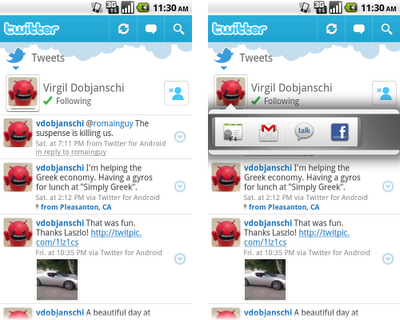
Integration with QuickContact Source android-developers.googleblog.com
Of course, these designs are now about as current as your grandma's flip phone, but back then, they were top-notch.
Key lessons for startups in 2024
Here are seven lessons for startups.
- When designing your app, always keep the user in mind. Prioritize smooth navigation, intuitive interfaces, and quick access to key features. Regular UX testing ensures your app is user-friendly and meets your audience's evolving needs.
- Analyze support tickets to identify the most frequent requests and find common patterns instead of addressing each issue individually. Spending 20% of the time replacing a whole section of the app can eliminate 80% of your users' problems.
- Integrating your app with widely used platforms and services can enhance its functionality. APIs from social media, payment gateways, and cloud services can enrich user experiences and expand your app’s capabilities.
- Sharing your progress and insights gained in the process on social media platforms will drive engagement and traffic. Posts detailing the journey and steps taken to achieve milestones often go viral, making social media a top source for sign-ups. A single viral post on Reddit can increase traffic tenfold overnight.
- Incorporate AI-driven features to personalize user experiences, provide intelligent recommendations, and automate customer service. Tools like TensorFlow, Azure AI, and AWS Machine Learning can help you add these advanced features.
- Ensure your app runs smoothly on all devices. Focus on speed, reduce load times, and test across various hardware and network conditions. Performance optimization is crucial for maintaining a positive user experience.
- As Google did with their early app development efforts, be prepared to go above and beyond to make your app successful. This might mean providing extra features, offering exceptional support, and continuously iterating based on user feedback.
If your business needs a modern app and Google is no longer giving them away for free, don't worry, we've got you covered at a reasonable price. Let's connect!
Next step
About the author

Category:Mobile DevelopmentMobile apps
Back to Blog