Real estate software development company
CML Team is a real estate software development company. We build property management systems, real estate apps, real estate data platforms and lending software for proptech companies, real estate companies and lenders. Our cases include REM Platform, a property management system with iOS and Android apps, and RESO-Warehouse, which converts real estate data to the RESO format.
5 case studies in this industry
Case studies: Real Estate


Property management software and real estate app development
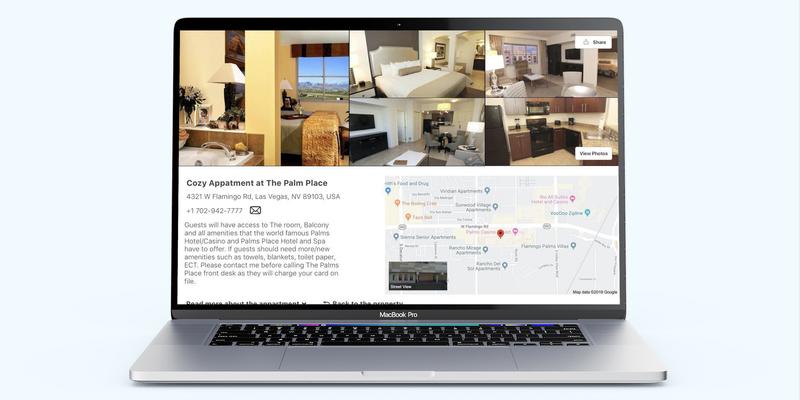
Property management software handles a landlord's routine work, such as invoices, agreements, rent and tenant messages. For Anlit Technologies LLC, an IT company in Anchorage, Alaska, we designed and built REM Platform. It is a property management system with a web interface and native iOS and Android apps for landlords and tenants. REM Platform has raised $12M.
Landlords use it to send invoices, sign agreements, process payments, list units with prices and photos and follow rental transactions on a real-time dashboard. A team of 2 people handled the full cycle.
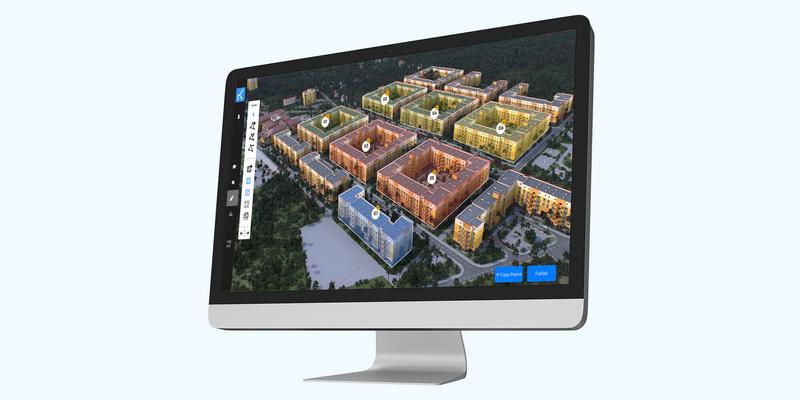
Real estate app development for home buyers looks different. WoonModule is a Dutch provider of digital real estate solutions. It works with major industry names to improve the digital presence of more than 17,023 new construction homes. We built its front end, back end, drawing toolkit and data management system. Buyers pick a house, try options in a configurator, check the final apartment plan online and download a personalized quote. The client uses the software daily, as its owner and CEO wrote on Clutch.
MLS, IDX and RESO data integration
MLS, IDX and RESO data integration brings listings from many sources into one format your product can trust. An MLS (multiple listing service) is the shared listing database brokers use, and IDX lets a broker's website show those MLS listings. RESO, the Real Estate Standards Organization, sets a common data format and a Web API for this data.
US listing data comes from an MLS directly or through a licensed aggregator or syndication feed, such as the ListHub Syndication API, Bridge, Trestle, MLS Grid or Spark. Each route has its own approval. On Bridge, Trestle, MLS Grid and Spark, every MLS decides whether a product may use its listings, while ListHub reviews listing publishers and handles the MLS approvals itself. So we plan access with you before writing code, including which MLSs cover your market, which feed reaches them and what the license lets you show and store.
For a large American real estate company that works with hundreds of companies and thousands of sales associates, we built RESO-Warehouse from scratch. It takes in data from North American and European providers, including ListHub, Apimo and direct brokerages, over REST API, FTP and SOAP. It converts the data to the RESO format, validates it, removes duplicates and keeps an archive.
The warehouse also feeds the client's website and runs analytics on property values over time. A team of 3 back-end developers, QA and a project manager built it.
A real estate portal or a broker website is only as good as this data layer. That holds whether the source is an MLS, an IDX feed or a RESO Web API.
Listing data now also reaches AI assistants through MCP servers. MCP is the open protocol that tools like ChatGPT and Claude use to connect to outside data, and here the MLS data vendors run the servers themselves. FBS launched the Flexmls MCP Server in April 2026, and Cotality launched Trestle MCP in October 2026. In both, the MLS decides who may connect and on what terms, so an AI feature is planned within the same data license as a listings website.
Real estate tokenization and blockchain investment platforms
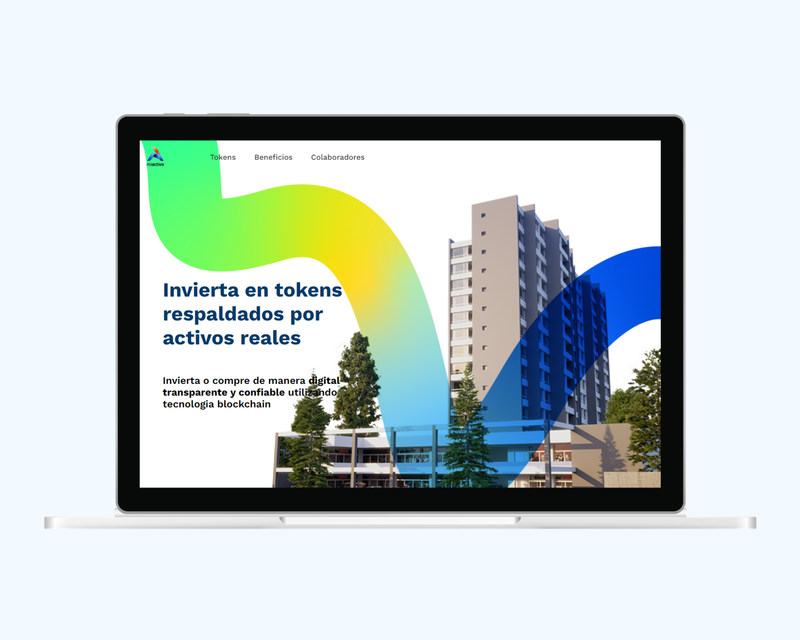
Real estate tokenization records ownership of a property, or shares in an investment, as tokens on a blockchain. MiActivo is a Madrid provider of asset management solutions for financial institutions. On its platform, users buy property or invest in real estate projects, and transactions are certified with NFTs.
With Sensato Labs, the client behind MiActivo, we added investment modes such as rental investment and investment with later ownership. We also built a blockchain explorer for transaction transparency, token calculation tools, currency conversion and a separate wallet for each project. Buying property on MiActivo became clearer and more efficient.
Our post on the three benefits of blockchain in real estate covers lower costs, fraud protection and tokenized fractional ownership.
Real estate lending software
Real estate lending software has to keep each loan consistent while a large flow of messages and API calls arrives at once. The client of Lender Admin Platform is a US platform that issues cash loans secured by real estate. We designed, built and tested its scalable microservice architecture, and it ran successfully in production.
A smart queue routes incoming messages by subject area and cuts the wait per message. Separate logic keeps every operation on one user's loan consistent, even under concurrent, asynchronous processing. We also improved the internal portal where employees create and manage loans.
How we work with real estate and proptech teams
A dedicated team joins your product and works through your backlog. A project-based engagement suits a defined piece of work, such as a data integration or a new app.
- Billing is by the hour or, for a project, at a fixed price.
- We sign an NDA.
- The rights to the code pass to you after payment.
- Working hours overlap fully with Europe. With the US, the overlap depends on the state.
- If a team member changes, we replace them without disrupting the work.
- You can start small, with consultations, and grow from there.
Planning a product in Real Estate? Tell us about it and get a free estimate.
Questions about real estate software development
What kinds of proptech software do you build?
We build property management systems with mobile apps, home configurators for new construction, RESO data warehouses, blockchain property investment platforms and software for real estate loan operations. The cases on this page show each one, from REM Platform and WoonModule to RESO-Warehouse, MiActivo and Lender Admin Platform.
Can you connect our platform to an MLS or a RESO Web API?
Yes, as long as the source gives API or file access. RESO-Warehouse already takes in real estate data over REST API, FTP and SOAP, converts it to the RESO format, validates it and removes duplicates. A RESO Web API is a REST API that uses that format. We start with a list of your sources, the fields your product shows and how often each must update.
Can we use Zillow data in our product?
Not through an open API. Zillow's listings API runs on its Bridge platform, which is invite only, and each MLS decides who gets its data. The lawful route goes through a license from an MLS or from a listing data provider such as Trestle, MLS Grid or Spark or, for a listings publisher, through the ListHub Syndication API. Zillow's app in ChatGPT and its connector for Claude let people search homes inside the chat, but they do not put Zillow data into your product.
Can you integrate our software with AppFolio or Yardi?
Yes. We connect custom tools to AppFolio, Yardi or another property management system through its API, so data moves between them without manual entry. If you would rather run your own system, we can rebuild the features your team relies on. For a US real estate company we built a data warehouse that takes in listings from ListHub, Apimo and direct brokerages over REST, FTP and SOAP, and REM Platform is a property management system we designed and built.
Can an AI agent work with our MLS or property management data?
Yes, within your data license. Several vendors already run MCP servers or connectors for AI assistants, such as Trestle MCP and the Flexmls MCP Server for MLS data and the Yardi and AppFolio connectors for Claude. Each one covers its own vendor's system. A custom AI agent makes sense when the agent has to combine your own data, such as your CRM, your property management system and MLS listings, and control who sees what. We build that layer on top of the access you already have.
Can you improve a real estate platform that is already live?
Yes. On MiActivo, the client's features and designs went to a staging version first, and we updated the main product once they were ready. We also improved the performance and resilience of its deployed blockchain. On WoonModule, we improved the UI and upgraded the platform for greater scalability and flexibility.
Who owns the code, and how is the work billed?
The rights to the code pass to you after payment. We bill by the hour, so you pay for the time the team works on your product, or agree a fixed price for a project. We also sign an NDA, so your listing sources, loan rules and product plans stay confidential with us.
How do we start?
Start small, with consultations on one question, such as a data feed or an app feature. Then move to a dedicated team or a project. For a project with a defined scope, we prepare a free estimate before the work begins. The get started page explains each option.
Have a project in this industry?
Tell us about your product and we will suggest the right team and approach.
Get in Touch