
MVP development services
CML Team builds MVPs for startups and takes them from proof of concept to production. For Swipelux we delivered a proof of concept within weeks and hardened it for production over the following month. For Health Influence we built the platform end to end, from MVP to production, and healthcare brands now get 35% faster campaign optimization.
Results from our case studies
40%
Operational efficiency of hotel teams
Levee case study35%
Campaign optimization speed
Health Influence case study
- Hourly or fixed price
- NDA signed
- Code rights pass to you after payment
Trusted by Industry Leaders
Powering innovation for leading companies worldwide
- See the case

- See the case

- See the case

- See the case

- See the case










What we build
Proofs of concept
A working version of the part the idea depends on, built to test it with real users. Nestwise, an AI parenting copilot, was delivered as a working proof of concept that let the client validate product-market fit and collect real user feedback.
See the Nestwise case studyFintech products
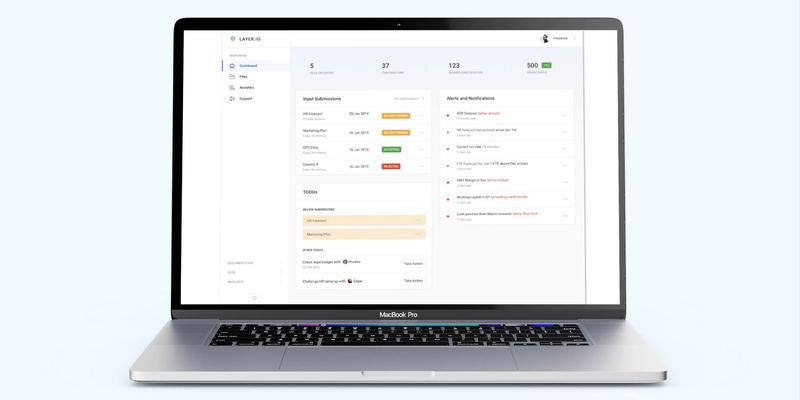
Products that handle payments and financial data. EZChoice, an insurance platform we developed end to end, reached production, acquired its first clients and passed to the client's in-house team. For Layer, a team of one delivered a working web app and Google Sheets add-on in a 10-week build.
See the EZChoice case studyMobile MVPs for iOS and Android
For Prototype You, a Dutch edtech company, we developed a B2B learning platform as a hybrid iOS and Android app, end to end. Its co-founder says it took just three months. We also designed and developed the Travelot app for an Israeli startup and launched it on the App Store and Google Play.
See the Prototype You case studyAI MVPs
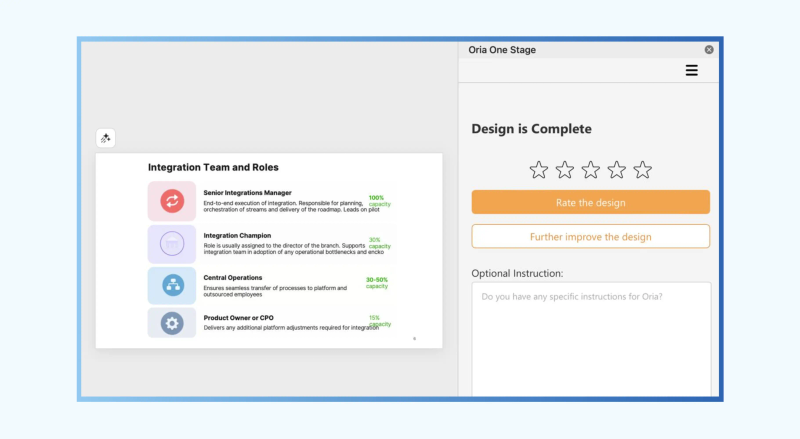
Products where AI is the core feature. With a PowerPoint plugin and a scalable backend from us, Oria went from concept to a pilot with its first enterprise users across multiple countries.
See the Oria AI case studyPrototype to production
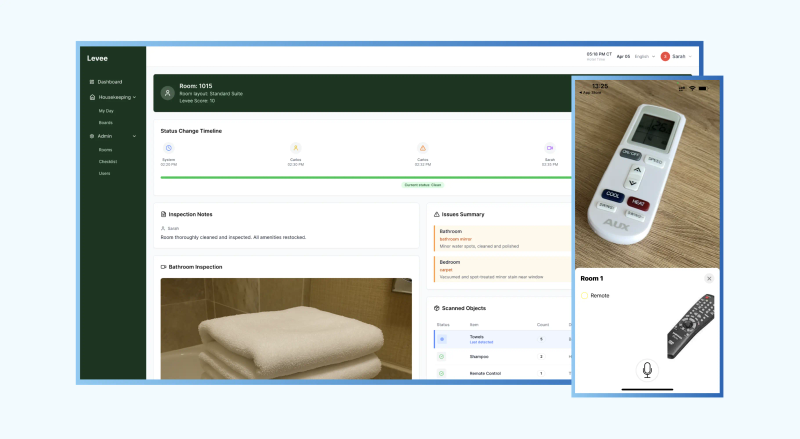
A prototype that works in a demo, rebuilt for real users. Levee needed to turn a basic prototype into a production-ready platform. We took it past the MVP to a working product, and the upgraded platform helped Levee secure its first B2B contract.
See the Levee case studyProducts that keep growing
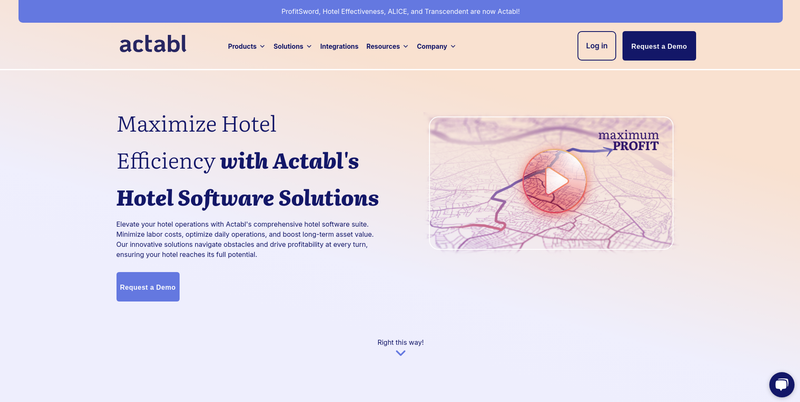
Some first versions become the company's core platform. We developed the core of ALICE from scratch and were responsible for it from the beginning until its $40M Series B.
See the ALICE case study
How it works
How an MVP gets from idea to paying users
Plan your first product in four stages, each of which answers one question before you pay for the next.
- Proof of concept. Does the part the idea depends on work? Swipelux, an exchange microservice within weeks.
- MVP. Will people use it for the job it promises? Health Influence, built from MVP to production. Prototype You, an MVP app built end to end in three months.
- Production. Can it carry real users and their data? Swipelux, hardened over the following month. Levee, backend rebuilt for stability and scale.
- First clients and growth. Does it sell? EZChoice, its first clients. Levee, its first B2B contract. ALICE, core development until its Series B.
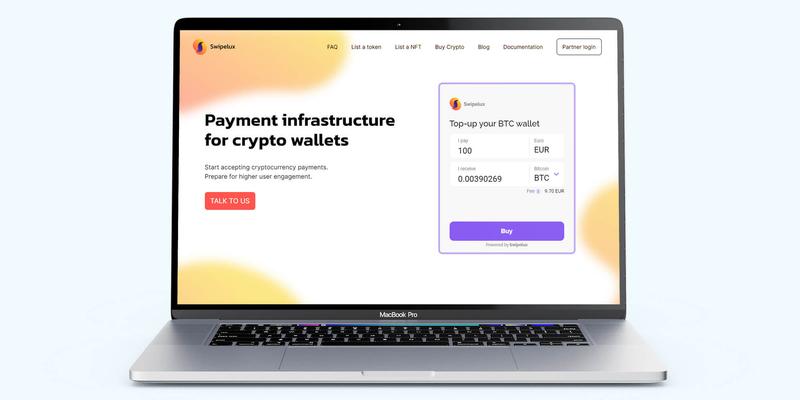
Proof of concept. Build only the part that could sink the idea, such as a payment flow, a data import or an AI answer that must be right. It can look rough, because its job is to answer one question with evidence. For Swipelux we delivered a proof-of-concept microservice for exchanging cryptocurrencies via Uniswap and 0x within weeks.
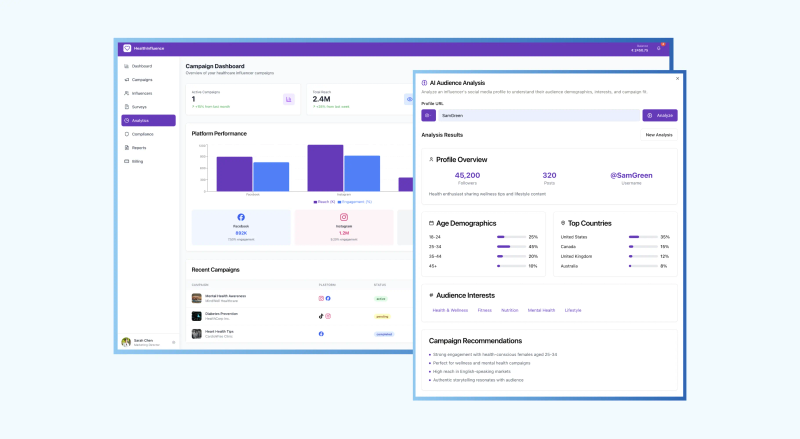
MVP. A minimum viable product is the smallest version that real users can use for the job it promises. Keep one main flow, the admin tools you need to run it and the analytics that show whether it works. Health Influence followed this path. We built it end to end, from MVP to production, with automated discovery of patient influencers, real-time campaign monitoring and customizable dashboards.
Production. A product that strangers use needs more than working screens. It needs a deployment you can repeat, monitoring, safe handling of data and tests that run on every change. Swipelux's proof of concept was hardened for production over the following month. Levee got a backend rebuilt from scratch for stability and scale, continuous QA and release management for the App Store and Google Play.
First clients and growth. After launch the work turns to what users ask for. EZChoice reached production, acquired its first clients and passed to the client's in-house team to operate and extend. Levee's upgraded platform helped it secure its first B2B contract.
How we bring the product to life shows how our team plans sprints, demos and releases.
From prototype to production
If you already have a prototype, built by another team or with AI coding tools such as Cursor, Lovable or Claude Code, the next step is to find out what can stay and what has to be rebuilt before you open it to paying users.
Check these five things before you treat a demo as a product.
- tests that really run, on every change;
- a deployment you can repeat, with secrets kept out of the code;
- access to data checked for each user on the server, not only hidden in the interface;
- error tracking and logs, so you see a failure before a user reports it;
- a clear decision on the parts that are cheaper to rebuild than to fix.
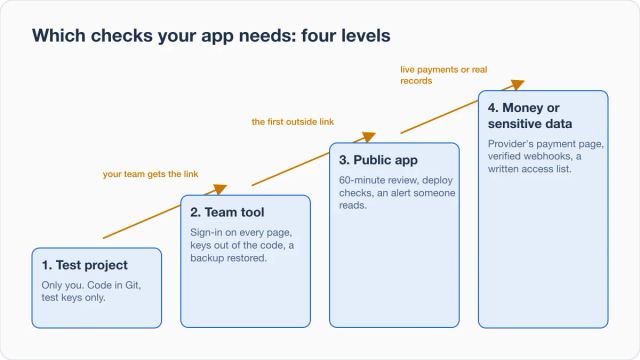
For founders who built the app with AI tools, our posts go deeper. Start with how to check a vibe-coded app before you launch it and which security checks it needs, in four levels. The post on how to outsource programming for a startup lists what to hand an engineer first.
Case studies
Client feedback
CML Team LTD has successfully delivered robust applications, provided continuous support during demos, and helped us secure our first B2B client. Moreover, the team is proactive, flexible, and detail-oriented. Their problem-solving approach and innovation have set them apart.

How we work on it
You write to us
Send a brief through the contact form or message one of our Delivery Managers on LinkedIn. Say what the idea is, who it is for and what you already have.
- Owner
- You
- Result
- Your idea reaches us in your own words.
We find what to prove first
We talk it through and agree what the first version has to prove. You can start small, with consultations.
- Owner
- CML Team
- Result
- A first step you choose, a proof of concept, an MVP or consultations.
Free estimate and agreement
You get feedback on the idea and a free estimate. An NDA is signed, and the team is ready a few weeks after the agreement.
- Owner
- You and CML Team
- Result
- A signed agreement and a team at work.
Build with regular demos
Our project manager keeps you updated through regular meetings, planning sessions, demos and status reports.
- Owner
- Our project manager
- Result
- Working software you can try at each demo.
Launch and next steps
We deploy the product. Then we keep building with you, or your in-house team takes over, as with EZChoice. The rights to the code pass to you after payment.
- Owner
- You and CML Team
- Result
- A product in production, with its code in your hands.
Ready to talk it through? Start with a message.
How you can work with us
Work with us as a dedicated team that joins your in-house developers, as a project we manage from requirements to launch, or with on-demand specialists.
Industries and related services
Related services
Software Development
See the serviceAI Transformation
See the serviceTrading software development
Trading software development for brokers, exchanges and crypto platforms, including the Trade Republic back office and Börse Stuttgart's BISON app.
See the serviceCustom CRM development
Custom CRM development services for sales, delivery and hiring teams, on web, iOS and Android.
See the service
Frequently asked questions
How long does it take to build an MVP?
It depends on the scope, and our cases give examples rather than a promise. The Prototype You MVP, a hybrid iOS and Android app built end to end, took three months, its co-founder says. For Swipelux a proof of concept came within weeks, and hardening it for production took the following month. A free estimate gives you the answer for your own idea.
How much does MVP development cost?
We work by the hour or for a fixed price, and either way the cost follows the scope. Before you decide, you get feedback on your idea and a free estimate. You can also start small, with consultations, to shape the scope first.
Should we start with a proof of concept, a prototype or an MVP?
Start with whatever answers the question that could end the project. If a technical part might not work, build a proof of concept of it first. If you are not sure people understand the flow, a prototype is enough. If both are clear, build the MVP.
Can you take our prototype to production?
Yes. Whatever the prototype was built with, start by reviewing its tests, deployment, data access and the parts that are cheaper to rebuild. One example is Levee, which needed to turn a basic prototype into a production-ready platform. We rebuilt its unstable backend from scratch and upgraded its web and mobile apps, and the upgraded platform helped Levee secure its first B2B contract.
Can you build an AI MVP?
Yes. Nestwise, a RAG-based parenting copilot, was a working proof of concept that let the client validate product-market fit. Oria reached a pilot with its first enterprise users across multiple countries. Health Influence, an AI analytics platform for healthcare brands, went from MVP to production.
Do you build mobile MVPs?
Yes, for iOS and Android. For Prototype You we built a B2B learning app end to end as a hybrid iOS and Android app, and at the time of its co-founder's review it was in the Dutch Google Play Store and the iOS App Store. We designed and developed Travelot for an Israeli startup and launched it on the App Store and Google Play.
Who owns the code?
We sign an NDA, and the rights to the code pass to you after payment.
What happens after launch?
That is your choice. We can keep building with you, as with Health Influence, which kept adding features based on real-world feedback, and with ALICE, where we stayed on the core platform until its $40M Series B. Or your own team takes over, as with EZChoice.
Related reading


Two ways to reach us
Whichever you choose, the conversation starts with a person.
Talk to our Delivery Manager
Oleksii Skurikhin, one of our Delivery Managers, is your first point of contact. Tell him what you are working on.
Talk to our Delivery Manager on LinkedIn (opens in a new tab)Send us a brief
Describe the task in the contact form. You can add a budget range if you like.
Get a free estimate