
Mobile app development services for iOS and Android
CML Team is a mobile app development company for startups and small and medium businesses. We build native and cross-platform apps for iOS and Android, with their backend, and release them to the App Store and Google Play. For FYNTS we built the whole Click and Collect app, and for Levee we rebuilt the backend and upgraded the apps.
Results from our case studies
40%
Operational efficiency of hotel teams
Levee case study
- Hourly or fixed price
- NDA signed
- Code rights pass to you after payment
Trusted by Industry Leaders
Powering innovation for leading companies worldwide
- See the case

- See the case

- See the case

- See the case








What we build
iOS and Android apps with their backend
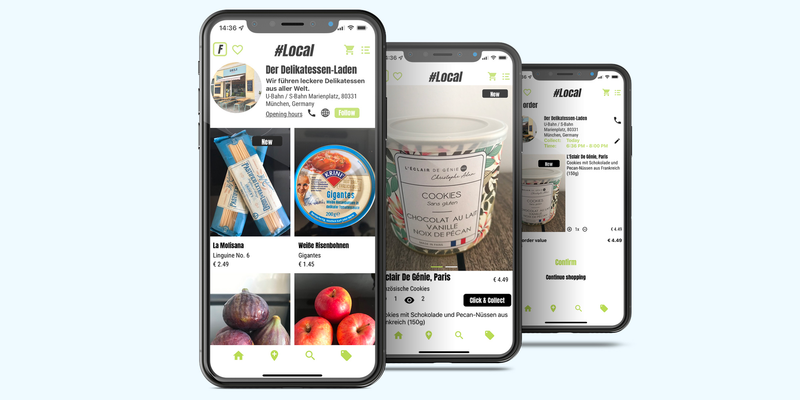
The whole product, from the backend and its API to the iOS and Android apps and their release pipeline. For FYNTS, a German startup, we built a Click and Collect app end to end. Shoppers order from local stores in the app and pick up in person, store owners upload products and employees prepare the orders.
See the Fynts case studyNative iOS and Android apps
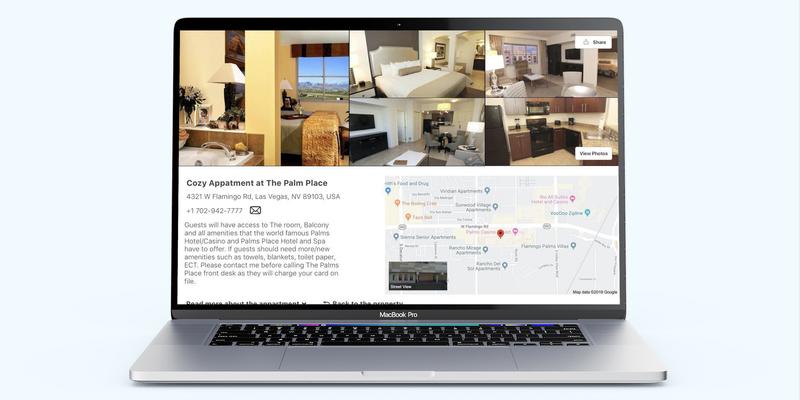
Separate apps built with each platform's own tools, for apps that use a lot of the phone or must feel exactly like each platform. For REM Platform we built a property management system with a web interface, plus native iOS and Android apps for landlords and tenants built from scratch.
See the REM Platform case studyCross-platform apps
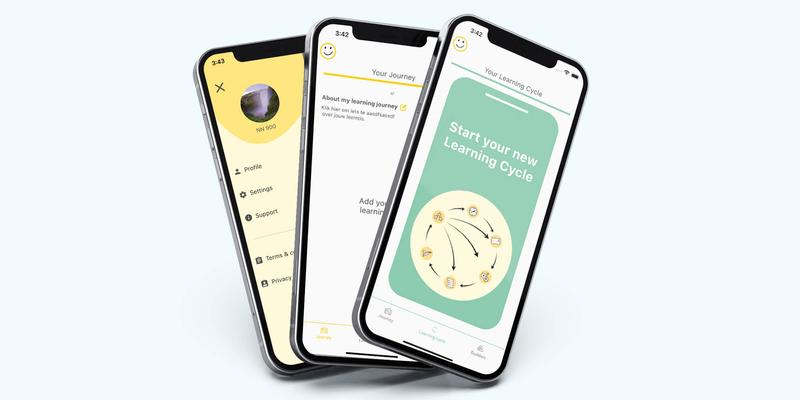
One codebase for iOS and Android when the screens and the logic are the same on both. We designed and developed Travelot's app in React Native and launched it on the App Store and Google Play. For Prototype You we built a B2B learning platform as a hybrid iOS and Android app, end to end.
See the Travelot case studyMobile apps that work with your web platform
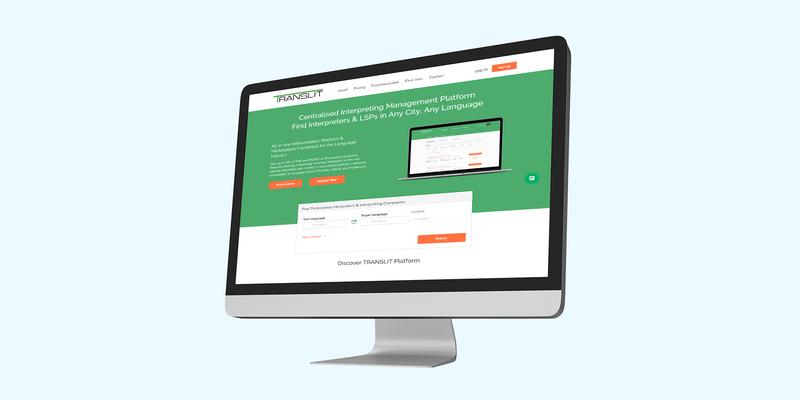
Apps that share users and data with a web application you already run. For TRANSLIT, an Irish conference-translation technology firm, we developed a native iOS and Android app for booking interpreters and integrated it with the existing web application. Persona's native apps have almost complete feature parity with the web.
See the Translit case studyUpgrades and rebuilds of existing apps
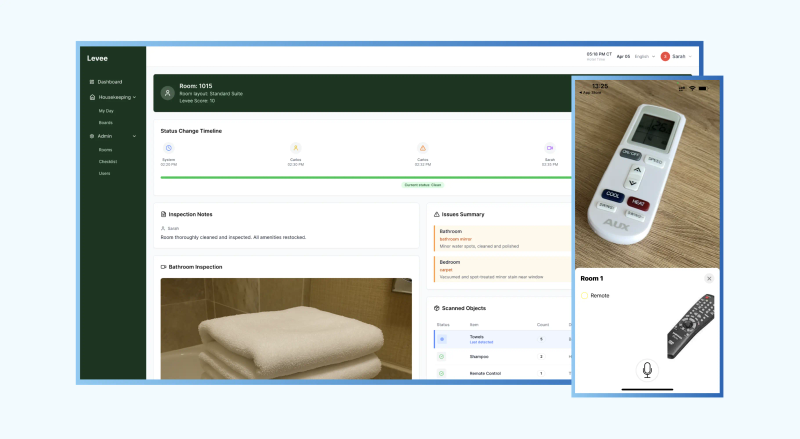
A prototype or an existing app brought to production quality. Levee needed a production-ready platform, so we rebuilt its unstable backend from scratch, upgraded the iOS, Android and web apps, added AI for computer vision and speech-to-text and ran the App Store and Google Play releases.
See the Levee case studyOngoing development, maintenance and SDKs
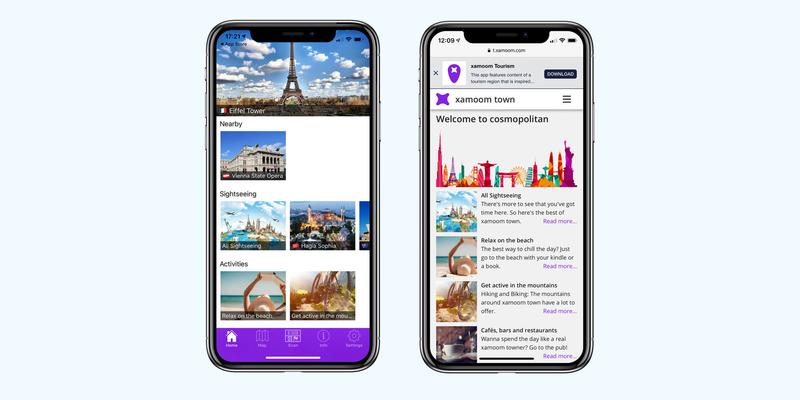
Long-term iOS and Android work after launch, from new features to maintenance and SDKs. For Xamoom, an Austrian company whose app builder creates location-aware tourism apps, our iOS and Android developers provide ongoing development and maintenance, plus SDK development. For SeeTree we made the native Android app more responsive and keep adding features.
See the Xamoom case study
How it works
How mobile app development works
A mobile app is rarely one product. It is an iOS app, an Android app and the backend both of them talk to, and often a web platform next to them. The screens are the part everyone sees, while much of the work sits in the data, the store releases and the updates after launch. Plan an app in seven steps.
- Users and tasks. Who opens the app, on which phones, and what they need to do away from a desk.
- Platforms and technology. iOS, Android or both, built natively, with one cross-platform codebase or as a web app.
- Backend and API. Accounts, data, orders and notifications live on a server that the apps reach through an API.
- Design for each platform. Screens that behave the way iPhone and Android users expect.
- Testing on real devices. Different screen sizes, OS versions and networks, before every release.
- Store release. App Store and Google Play review, under developer accounts in your company's name.
- Updates after launch. New OS versions, new store rules, fixes and new features.
Users and tasks. Start from the people who will use the app and the one or two tasks they do on the phone, not from every feature of your website. REM Platform had two groups of users, landlords and tenants, and we built native iOS and Android apps for both, next to the web platform where landlords handle invoices, agreements, payments and listings (REM Platform case study). If the idea is new and still unproven, a smaller first version comes first, and our MVP development page covers it.
Platforms and technology. If most of your users are on one platform, the app can launch there first and add the other one later. Choose between a native app, a cross-platform app and a web app from what the first version must do on the phone, because moving an app to another technology later usually means writing it again. For Travelot, an Israel-based startup, we designed and developed the iOS and Android app in React Native and launched it on the App Store and Google Play (Travelot case study). The table below compares the three options, and our post on how to develop a cross-platform app and not regret it compares React Native, Flutter and Kotlin Multiplatform.
Backend and API. Much of what an app does is decided on the server, such as who may sign in, what data they see and what happens when they place an order. For FYNTS we built the whole app, the backend with its API endpoints and user authentication plus the iOS and Android apps. Its Click and Collect flow runs from the shopper's order in the app to the store employees who prepare it and the notice that it is ready for pickup (FYNTS case study). If you already run a web platform, the app should use the same accounts and data, and we integrated TRANSLIT's new native app with its existing web application (Translit case study).
Design and testing. iPhone and Android users expect different navigation, gestures and system dialogs, so one design copied to both platforms often feels foreign on one of them. Test every release on real devices with different screen sizes and OS versions, and on slow networks. For Levee we added continuous QA and built a multi-platform testing and QA pipeline for the accuracy of its object recognition (Levee case study).
Store release and updates. Apple reviews every app and every update before it appears on the App Store, and Google Play checks apps against its own policies, so a release date needs time for review. Apple and Google both ask a company for a D-U-N-S number when it opens a developer account as an organization, so start that early. We set up the developer accounts in your company's name from the first day and add our team as users. For FYNTS we built a deployment pipeline for the App Store and Google Play with dev, test and prod environments. After launch, new iOS and Android versions and new store rules keep coming, so an app needs regular updates even when its features stay the same.
iOS app development services
Our iOS app development covers native apps and the iOS side of cross-platform apps, together with the backend and the App Store release. For TRANSLIT we developed a native iOS and Android app where event attendees find and book translators and interpreters for online and offline events. Persona, our own platform for IT agencies, has native iOS and Android apps with almost complete feature parity with the web, so its users review pipelines and update records on the go (Persona case study). Prototype You's hybrid app was in the iOS App Store and the Dutch Google Play Store at the time of its co-founder's review (Prototype You case study). Every iOS release goes through Apple's review, so we plan each release date with that time in it.
Android app development services
Android phones come from many manufacturers, with different screens, OS versions and hardware, so Android app development needs testing on a wider range of devices. SeeTree gives farmers AI-driven tree-health reports built from aerial images, and we develop its native Android app. We made the app's interface smoother and more responsive, reduced delays in loading missions for field workers and optimized the data synchronization algorithm, and we keep adding features and third-party API integrations (SeeTree case study). REM Platform, TRANSLIT and Persona have native Android apps next to their iOS apps, and the Google Play release was part of the work for Travelot, FYNTS and Levee.
Taking over and improving an existing app
Several of our mobile projects started from an app or a platform that already existed. Start with a review of the code, the backend, the release setup and who holds the store accounts. Then fix what can stay and rebuild what cannot, one part at a time, so the app keeps working while it changes. Levee needed to turn a basic prototype with an unstable backend into a production-ready platform. We rebuilt the backend from scratch, upgraded the iOS, Android and web apps, ran the App Store and Google Play releases and added continuous QA. The upgraded platform helped Levee secure its first B2B contract. For Xamoom, an award-winning Austrian company whose app builder creates white-label, location-aware tourism apps, our iOS and Android developers provide ongoing development and maintenance, plus SDK development (Xamoom case study). How we take over stuck projects is on our software project rescue page.
AI features in mobile apps
A phone has a camera and a microphone, so AI that sees and listens fits naturally into a mobile app. In Levee's apps, computer vision recognizes objects in real time during hotel room inspections, and the recognized objects drive an automated inspection report. The platform also has voice notes, audio and video recording inside the app, and speech-to-text with translation across 4 languages. Hotel teams using Levee gained over 40% operational efficiency on inspections and reporting, by our project records. The AI model and its vendor are agreed with you before the work starts. More is on our AI and LLM integration page.
Should you build a native app, a cross-platform app or a web app?
The right choice follows from what the first version must do on the phone, who uses it and how often it will change. Decide early, because moving an app to another technology later usually means writing it again.
| Native iOS and Android apps | Cross-platform app | Progressive web app (PWA) | |
|---|---|---|---|
| Fits when | The app uses a lot of the phone, such as the camera, sensors or work in the background, or must feel exactly like each platform. | Most screens and logic are the same on iOS and Android, and you want one codebase for both. | People open it now and then from a link, and it needs little of the phone beyond the browser. |
| Codebases | Two, one for each platform. | Mostly one, plus native code where the framework does not reach. | One web app that also runs in desktop browsers. |
| Access to the phone | Full, including new iOS and Android features as soon as they ship. | Most of it through the framework, the rest through native code. | Limited, and narrower on iPhone than on Android. |
| In the App Store and Google Play | Yes, after each store's review. | Yes, after each store's review. | No. People add it to the home screen from the browser. |
| Work to build and maintain | The most, since each platform is designed, built and tested on its own. | Less code to write, but design and testing still cover both platforms, so the saving is smaller than it looks. | The least, especially if you already have a web app. |
| In our work | REM Platform, TRANSLIT, SeeTree and Persona. | Travelot in React Native, and Prototype You as a hybrid app. | Responsive web apps and PWAs, as part of our custom software development. |
Many products combine them. REM Platform and Persona have native iOS and Android apps next to a web platform.
Case studies
Client feedback
In just three months, CML Team LTD successfully developed the app - with an updated UX design and additional features. The team was communicative and dedicated to the app's success during the engagement. Currently, the app is downloadable from the Dutch Google Play Store and the iOS App Store.

How we work on it
You write to us
Send a brief through the contact form or talk to our Delivery Manager on LinkedIn. Say who will use the app and on which phones, and whether you already have an app, a web platform or a backend.
- Owner
- You
- Result
- Your app, or the idea for it, described in your own words.
We agree on the first version
We go through the users, the main screens, the backend and the integrations with you, and recommend native, cross-platform or a web app. You can start small, with consultations.
- Owner
- You and CML Team
- Result
- A first scope, the platforms and the technology for them.
Free estimate and agreement
An NDA is signed. You get feedback on the idea and a free estimate, and once the main requirements are clear, a high-level estimate comes within 24 hours. Billing is by the hour or, for a project, at a fixed price.
- Owner
- You and CML Team
- Result
- A signed agreement and a team at work.
Design and build with regular demos
Our project manager keeps you updated through regular meetings, planning sessions, demos and status reports, and each demo shows the app working on real devices.
- Owner
- Our project manager
- Result
- Working parts of the app at every demo.
Release to the App Store and Google Play
We prepare the release in the developer accounts set up in your company's name, and the app goes through each store's review.
- Owner
- You and CML Team
- Result
- Your app live in the stores, under your company's name.
Updates and next steps
After launch we keep building and maintaining the apps with you, as we do for Xamoom, or your in-house team takes over. The rights to the code pass to you after payment.
- Owner
- You and CML Team
- Result
- Apps that keep up with new OS versions, with their code in your hands.
Ready to talk it through? Start with a message.
How you can work with us
Work with us as a dedicated team that joins your in-house developers, as a project we manage from requirements to launch, or with on-demand specialists.
Industries and related services
Industries
Related services
Software development
Custom software for startups and established companies, from back offices and high-load platforms to data warehouses and web and mobile apps.
See the serviceMVP development
MVP development services for startups, from proof of concept to production, as we did for Swipelux, Levee and Health Influence.
See the serviceAI and LLM integration
AI and LLMs added to your product and processes, from chat over your documents to computer vision and speech, as in Persona and Levee.
See the serviceSoftware project rescue
We take over stuck apps, including apps built with AI coding tools, fix what can stay, rebuild what cannot and take them to production.
See the service
Frequently asked questions
How long does it take to develop a mobile app?
It depends on the platforms, the screens, the backend and the integrations, and these are examples, not a promise. Prototype You's co-founder says we developed its hybrid iOS and Android app in three months, with an updated UX design and additional features. A first version with fewer features comes sooner, and an app that needs a new backend takes longer. Once the main requirements are clear, a high-level estimate comes within 24 hours.
How much does it cost to build a mobile app?
We work by the hour or for a fixed price for a project, and either way the cost follows the scope. It grows with the number of platforms, user roles and integrations and with the backend work behind the app. A cross-platform app saves less than it seems, because design and testing are still needed for iOS and Android. Before you decide, you get feedback on your idea and a free estimate.
Should we build a native app or a cross-platform app?
A native app fits when the app uses a lot of the phone, needs new iOS and Android features first or must feel exactly like each platform. A cross-platform app fits when the screens and logic are the same on both. We built native apps for REM Platform, TRANSLIT and SeeTree, Travelot in React Native and Prototype You as a hybrid app. The table above also compares a web app.
Can you publish our app to the App Store and Google Play?
Yes. We launched Travelot's app on both stores, built a deployment pipeline for the App Store and Google Play with dev, test and prod environments for FYNTS, and ran Levee's releases on both. The developer accounts are set up in your company's name, and our team is added to them as users. Each store reviews the app and its updates, so plan the release date with time for that.
Can you take over an app that another team built?
Yes. We start with a review of the code, the backend, the release setup and who holds the store accounts, then fix what can stay and rebuild what cannot. For Levee we rebuilt the unstable backend from scratch and upgraded the iOS, Android and web apps. For SeeTree we made the native Android app more responsive, reduced delays in loading missions and optimized data synchronization.
Do you build the backend and the API too?
Yes, because most apps need one for accounts, data, orders and notifications. For FYNTS we built the backend API endpoints for the platform's business logic, user authentication, the shopping cart and checkout, and the iOS and Android apps on top. If you already run a web platform, we connect the app to it, as we integrated TRANSLIT's native app with its existing web application. Our main stack is Node.js, Python, Java and React.
Can we hire iOS and Android developers to join our team?
Yes. In a dedicated team our engineers join your in-house team, follow your processes and report to your project manager or tech lead, and you interview each of them before they start. For Xamoom, an Austrian app builder for tourism, our iOS and Android developers provide ongoing development, maintenance and SDK work. If someone is not the right fit, we replace them without stopping the work.
Who owns the code and the store accounts?
You do. We sign an NDA before the work starts, and the rights to the code pass to you after payment. The code repository, the cloud account and the App Store and Google Play accounts are set up in your name from the first day, and our team is added to them as users. If you change teams later, the apps stay in your accounts.
Related reading

Two ways to reach us
Whichever you choose, the conversation starts with a person.
Talk to our Delivery Manager
Oleksii Skurikhin, one of our Delivery Managers, is your first point of contact on LinkedIn. Tell him what you are working on.
Talk to our Delivery Manager on LinkedIn (opens in a new tab)Send us a brief
Describe the task in the contact form, or book a call with one of our founders on the same page. You can add a budget range to the form if you like.
Get a free estimate