
Vibe code cleanup and software project rescue
CML Team takes over stuck software projects and brings them to production, whether the code came from AI coding tools or from a developer who has left. We review it, fix what can stay, rebuild what cannot and add the tests and deploys that keep it working. For Levee we rebuilt an unstable backend and took its prototype to production.
Results from our case studies
40%
Operational efficiency of hotel teams
Levee case study
- Hourly or fixed price
- NDA signed
- Code rights pass to you after payment
Trusted by Industry Leaders
Powering innovation for leading companies worldwide
- See the case

- See the case

- See the case

- See the case








What we build
Apps built with AI coding tools
Apps made with Lovable, Bolt, Cursor or Claude Code that work in a demo and break as soon as they change. We read what the tool wrote, find keys saved in the code and its history, check who can read which data and what the app can spend, then fix it and add tests that really run.
Prototypes that have to carry real users
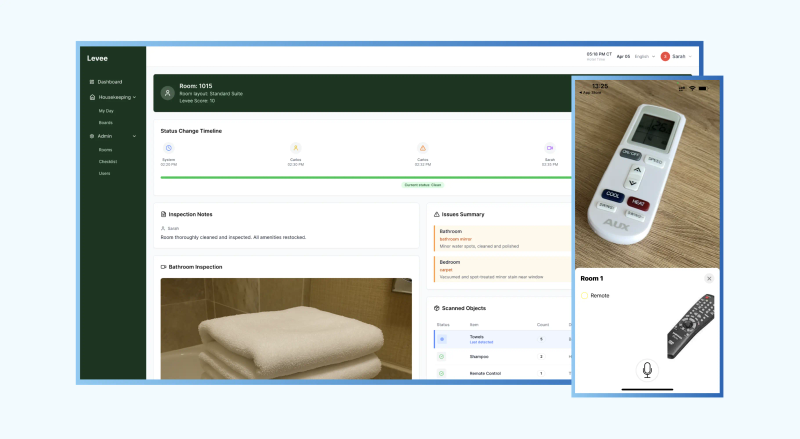
A prototype that works in a demo, rebuilt for strangers, their data and their money. Levee needed to turn a basic prototype into a production-ready platform. We rebuilt its unstable backend from scratch, upgraded its iOS, Android and web apps and ran its App Store and Google Play releases.
See the Levee case studyTaking over an existing codebase
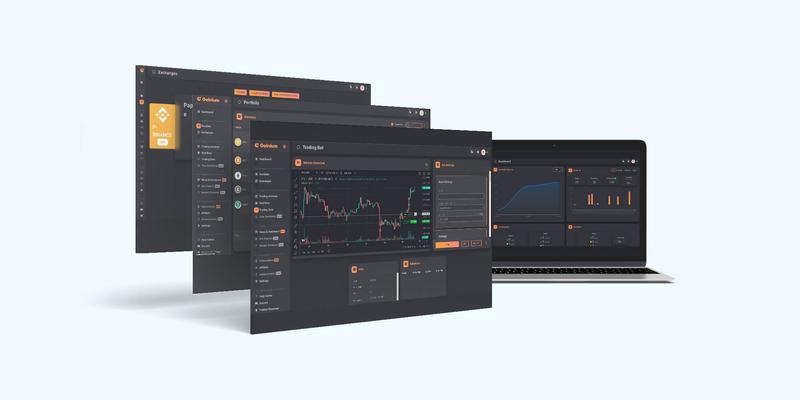
A project whose developer or agency has moved on, or a codebase that slowed down as it grew. We read the existing code and keep building on it. For Gainium, a crypto trading platform, we refactored the existing codebase and moved it to microservices, so the platform runs faster.
See the Gainium case studyReleases you can repeat
Tests that run on every change, a deployment you can repeat with secrets kept out of the code, error tracking and logs, and a restore point before each risky change. A release then stops being the day something else breaks.
Security checks before real users and money
Checks sized to who can open the app, what data it holds and whether money moves. Keys come out of the code, each user can reach only their own data, backups are restored into a copy to prove they work, and paid services get spending limits.
Handover to your team
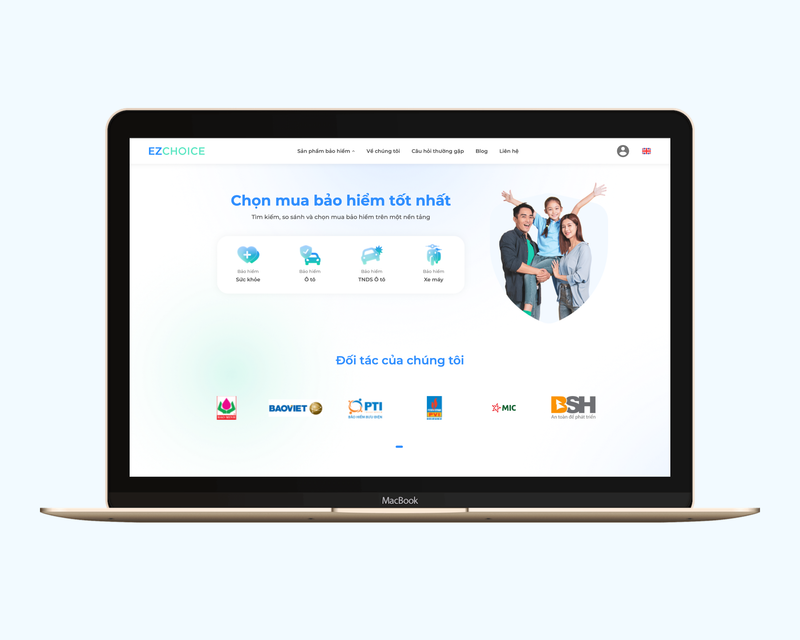
Code and accounts that let your developers, or the next team, carry on without us. EZChoice reached production and passed to the client's in-house team to operate and extend.
See the EZChoice case study
How it works
How we take over an app that is stuck
Taking over an app starts with reading, not writing. A fix made before anyone understands the code changes what you are looking at, and later nobody can tell what was found and what was changed. We take an app over in six steps.
- Access and a copy. An NDA is signed, and we get read access to the code, the hosting, the database and the paid services the app uses.
- Review. We read the code and its history, run the tests that exist and check what most often goes wrong in an app built in a hurry.
- A written list. Each finding is marked to fix, to stabilize first or to rebuild, and you see the list before any code changes.
- Stabilize. Tests that really run, a deployment you can repeat and error tracking come before the first fix.
- Fix and rebuild. Parts worth keeping are fixed, and parts that cost more to fix than to write again are rebuilt, one at a time.
- Launch and handover. The app goes to production with the checks it needs, and then we keep building with you or your team takes over.
Access and a copy. We sign an NDA before we see anything. Then we ask for read access to the code repository, the hosting, the database and the list of paid services the app calls, from AI models to email and maps. The review runs on a copy of the project with test accounts, so the live app and your customers' data stay as they are.
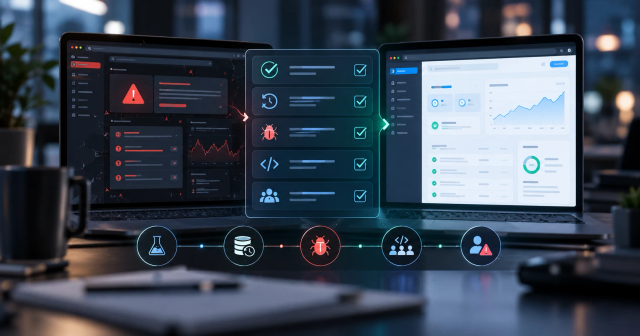
Review. We look for keys or passwords saved in the project, data rules that let one user read another user's records, admin pages hidden only in the interface, test and live data sharing one database, backups nobody has restored and paid services without a spending limit. Then come the gaps between a laptop and a server, such as environment variables, webhooks and database migrations, which our post on why an app works locally and breaks on the server walks through.
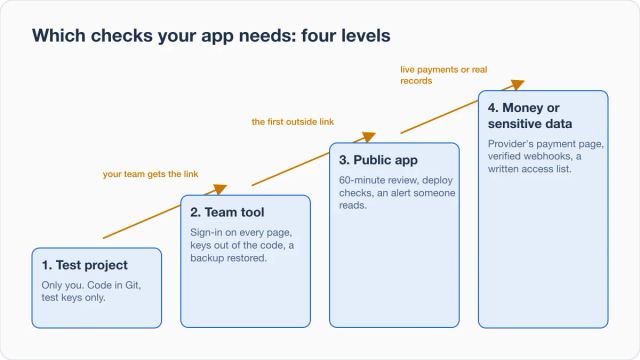
A written list. Every finding goes on one list with what it puts at risk and what we propose. You get the list with the estimate, before any code changes, so you decide what to pay for first. How far the app has to go depends on who can open it, what data it holds and whether money moves, as our four levels of launch checks explain. An app that holds funds on a blockchain also needs its own checks before mainnet.
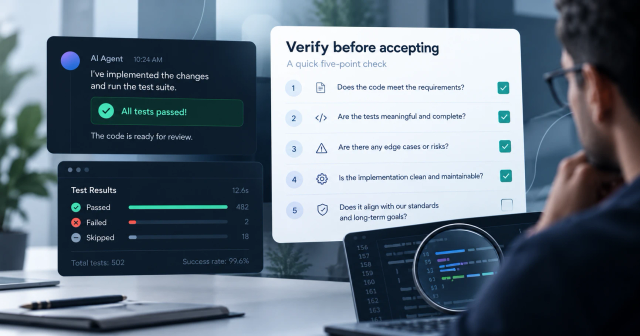
Stabilize. Before the first fix we make change safe. That means a restore point before each change, tests that run on every change and fail when they should, a deployment you can repeat with secrets kept out of the code, and error tracking that shows a failure before a user reports it. When a coding agent says all tests pass, we look at the run, not the claim, as in our post on how to check the agent really ran them.
Fix and rebuild. Parts that hold get fixed and covered by tests. Parts that would cost more to fix than to write again get rebuilt one at a time, so the app keeps working while it changes. Levee needed both. We rebuilt its unstable backend from scratch, upgraded its web and mobile apps and added continuous QA, and the upgraded platform helped Levee secure its first B2B contract (Levee case study).
Launch and handover. The app goes to production with the checks its level needs, and you choose what comes next. We can keep building with you, or your team takes over. EZChoice reached production and passed to the client's in-house team to operate and extend (EZChoice case study). The rights to the code pass to you after payment.
Apps built with Lovable, Bolt, Cursor or Claude Code
We review the code a tool produced, not the tool, so it does not matter which one wrote it. AI coding tools build working screens fast, and what they leave out rarely shows in a demo. A key saved once in the project history stays readable after the file is deleted. Tests can pass because the agent replaced the AI call inside them with a stub, and on one of our projects tests that did call a paid AI model cost $1,000 in one day. Our engineers use Claude Code themselves, for development and testing, so we know where these tools help and where a person has to check.
If you want to look first yourself, our post on how to check a vibe-coded app before you launch it gives a 60-minute version of the review, and the one on what to do when AI fixes keep breaking your app helps you decide when to stop prompting.
When the developer who built it is gone
Get the accounts back before the code. The code repository, the hosting, the database, the domain, the app store accounts and every paid service the app uses should be in your name, with developers added as users. With those in your hands, any team can continue the work. Without them, even good code cannot be released. Then we read the code and its recent history to see what the last changes did, before we change anything.
If you have an idea or a prototype that nobody uses yet, our MVP development page is the better place to start.
Should you fix, stabilize or rebuild each part of your app?
Most stuck apps need all three, part by part. Decide for each part after the review, not for the whole app at once. A rebuild pays off only where a fix would cost more or would not hold.
| Fix and keep | Stabilize first | Rebuild | |
|---|---|---|---|
| Fits a part that | Does its job and has a clear, local fault, such as a missing check or a slow query. | Works, but breaks when something nearby changes, and nothing tells you it broke. | Is unstable at its core, or would need more changes than writing it again. |
| Typical signs | One bug, one place to fix it, and a test that can prove the fix. | Fixes that break other screens, bugs that come back, no tests, deploys done by hand. | A data model that cannot hold real users, logic copied across many files, a backend that falls over. |
| What we do | Fix it, add a test that fails without the fix, and keep the rest as it is. | Add tests that run on every change, a repeatable deployment and error tracking, then fix. | Write the part again, one piece at a time, while the rest of the app keeps working. |
| Risk if you wait | Low and visible, as long as the fault is on the list. | Every new feature costs more and breaks more. | Patches pile up on a base that cannot carry real users or money. |
| In our work | Gainium's existing codebase, refactored and moved to microservices for speed. | Levee's platform, with continuous QA, refactoring and secure infrastructure. | Levee's unstable backend, rebuilt from scratch. |
The review puts each part in one column before any code changes. You see the list with the estimate and decide what to pay for first.
Case studies
Client feedback
CML Team LTD has successfully delivered robust applications, provided continuous support during demos, and helped us secure our first B2B client. Moreover, the team is proactive, flexible, and detail-oriented. Their problem-solving approach and innovation have set them apart.

How we work on it
You write to us
Send a brief through the contact form or talk to our Delivery Manager on LinkedIn. Say what the app does, what it was built with, who uses it today and where it is stuck.
- Owner
- You
- Result
- Your app and what is stuck, in your own words.
NDA and access
We sign an NDA. You give us read access to the code, the hosting, the database and the list of paid services the app uses, and we work on a copy of the project.
- Owner
- You and CML Team
- Result
- Read access and a copy of the project to review.
Review and a written list
We review the code, its history, its tests and its setup, and sort every finding into fix, stabilize first or rebuild. You can start small, with consultations.
- Owner
- CML Team
- Result
- A written list of what to keep, fix and rebuild.
Free estimate and agreement
You get a free estimate for the work on the list. Billing is by the hour or, for a project, at a fixed price.
- Owner
- You and CML Team
- Result
- A signed agreement and a team at work.
Stabilize and fix, with demos
Tests, a repeatable deployment and error tracking come first, then the fixes and rebuilds in the order you chose. Our project manager keeps you updated through regular meetings, demos and status reports.
- Owner
- Our project manager
- Result
- A working app you can try at each demo.
Launch and next steps
We release the app with the checks its level needs. Then we keep building with you, or your in-house team takes over. The rights to the code pass to you after payment.
- Owner
- You and CML Team
- Result
- Your app in production, with its code in your hands.
Ready to talk it through? Start with a message.
How you can work with us
Work with us as a dedicated team that joins your in-house developers, as a project we manage from requirements to launch, or with on-demand specialists.
Industries and related services
Industries
Related services
Frequently asked questions
Can you take over an app built with Lovable, Bolt, Cursor or Claude Code?
Yes. We review the code the tool produced, not the tool, so it does not matter which one wrote it. The review looks for what a demo hides, such as keys saved in the project, data any user can read, admin pages hidden only in the interface, tests that never really ran and paid services with no spending limit. Then we fix what can stay and rebuild what cannot.
Should we fix our app or rebuild it from scratch?
Decide part by part, after the review. A full rewrite throws away the parts that already work and keeps your users waiting. Parts with a clear, local fault get fixed. Parts that break whenever something nearby changes get tests first. Only parts that are unstable at the core, as Levee's backend was, are worth writing again. The table above compares the three.
Our developer stopped answering. Can you still take over the project?
Yes, and the first thing to recover is access, not code. Make sure the code repository, the hosting, the database, the domain, the app store accounts and the paid services are in your name or can be moved to it. Then we read the code and its recent history to see what the last changes did, before we change anything.
How long does it take to bring a stuck app to production?
It depends on what the review finds. A few local faults can be fixed quickly, while an unstable backend has to be rebuilt before anything else. That is why the review comes first. Its written list shows what the work includes before you commit, and the free estimate that follows gives you the time for your own app.
How much does a software project rescue cost?
It follows the scope the review finds. We bill by the hour or, for a project, at a fixed price, and you get a free estimate before the work on the list starts. You can also start small, with consultations, and decide on the rest once you see what the review found.
Is your review a security audit or a penetration test?
No. Our review checks the code, its setup and the security basics every app with real users needs, such as keys, data access, logins, backups and spending limits. An app that moves money or holds health or identity data also needs a professional security review before launch. The BISON trading app, which we developed and refined for Börse Stuttgart, passed penetration tests and independent security audits.
Can our developers or AI tools keep working on the app with you?
Yes. In a dedicated team, our engineers join your developers and follow your processes. If you keep building with AI tools, we agree the rules, such as a restore point before each change and tests that must pass, so new code does not undo the fixes. Our engineers use Claude Code too, for development and testing, within the rules agreed with you.
Who owns the code after you fix it?
You do. We sign an NDA, and the rights to the code pass to you after payment. After launch you choose whether we keep building with you or your in-house team takes over, as the client's team did with EZChoice. Keep the accounts the app runs on in your name, so any team can continue.
Related reading
Two ways to reach us
Whichever you choose, the conversation starts with a person.
Talk to our Delivery Manager
Oleksii Skurikhin, one of our Delivery Managers, is your first point of contact on LinkedIn. Tell him what you are working on.
Talk to our Delivery Manager on LinkedIn (opens in a new tab)Send us a brief
Describe the task in the contact form, or book a call with one of our founders on the same page. You can add a budget range to the form if you like.
Get a free estimate