Blockchain development services
CML Team is a blockchain development company that builds smart contracts and the software around them for web3 startups and product teams. We built the fan token microservices for Blocksport, which has raised $5M, and the primary smart contract for BloXmove, whose system cut gas fees by 30-70%.
8 case studies in this industry
Case studies: Blockchain
Show all 8 case studiesShow fewer
<!-- 985 words -->
A smart contract development company that also builds the backend
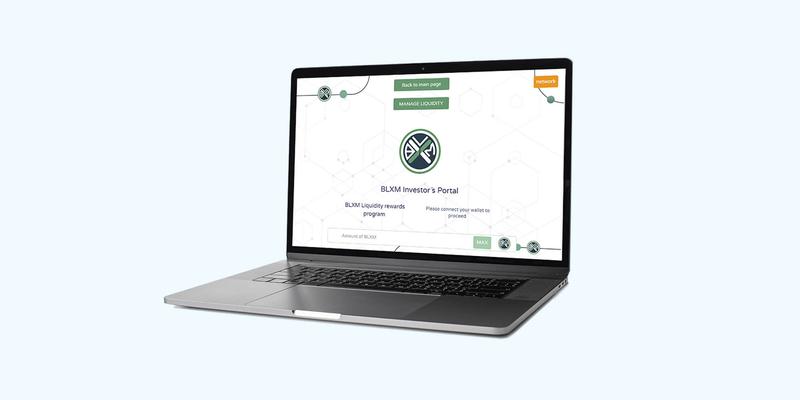
A smart contract usually ships with wallets, payments, identity checks or an admin panel around it, and we build the contract and those parts together. BloXmove is an Irish company first incubated within the Daimler group. Our team of 3 did the feasibility analysis and wrote its primary smart contract, which spreads user investments across third-party liquidity pools. BloXmove's system cut gas fees, the network fee on every transaction, by 30-70%.
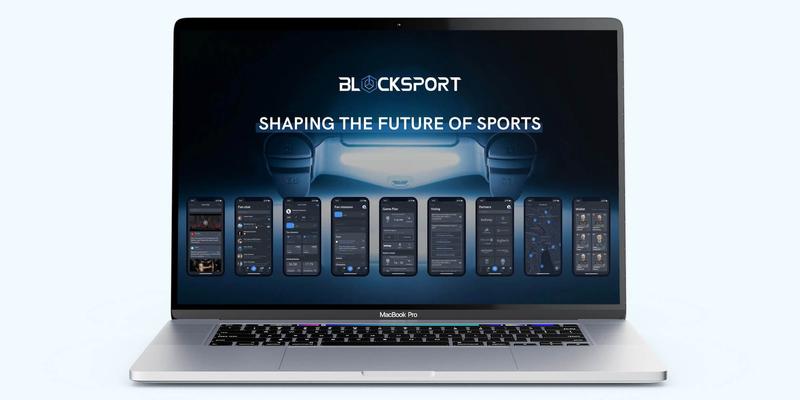
For Blocksport in Switzerland we built a token builder that deploys fan token smart contracts on Binance Smart Chain. A payment microservice matches blockchain records with real money transfers. Blocksport's CTO says these microservices let the firm scale much faster and win new markets.
DeFi development and crypto trading bots
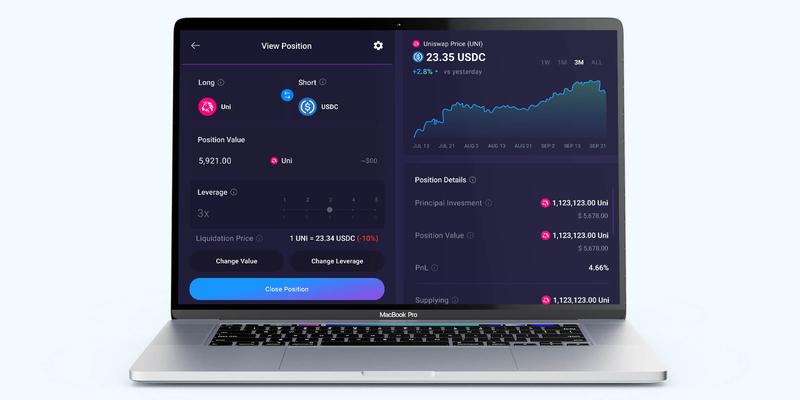
FODL Finance, a US-based DAO, runs a decentralized leverage trading platform on Ethereum and Polygon. We took on its DeFi smart contract development along with the bots and charts. We improved its Stop Loss/Take Profit and anti-liquidation bots, which act on a position at a set price or before liquidation. We also built an algorithm that optimizes payments through Flashbot.
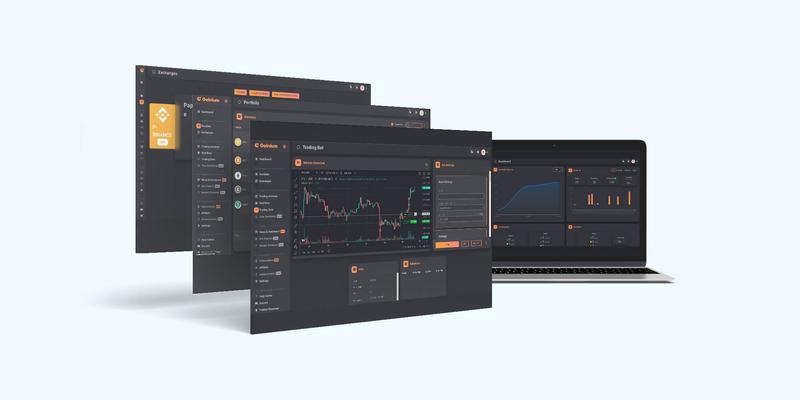
Gainium in Singapore helps crypto traders automate their strategies. We added DCA bots, grid bots for exchanges including Binance and KuCoin, and paper trading without real money. We also split the platform into microservices to make it faster.
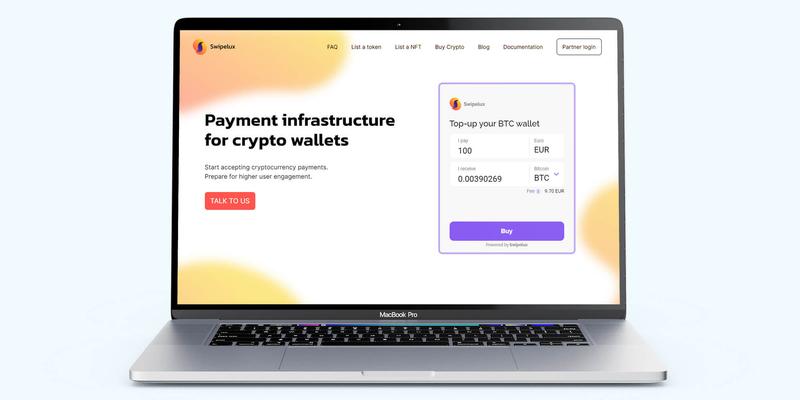
For Swipelux, whose widget lets people buy crypto with a card, we built a microservice that swaps cryptocurrencies through Uniswap and 0x. That microservice went into production.
Token development, wallets and tokenization
Token work goes well past minting. For Blocksport we built a master wallet with minting, transfers and distribution statistics, a KYC identity check tied to staking and an unstaking flow.
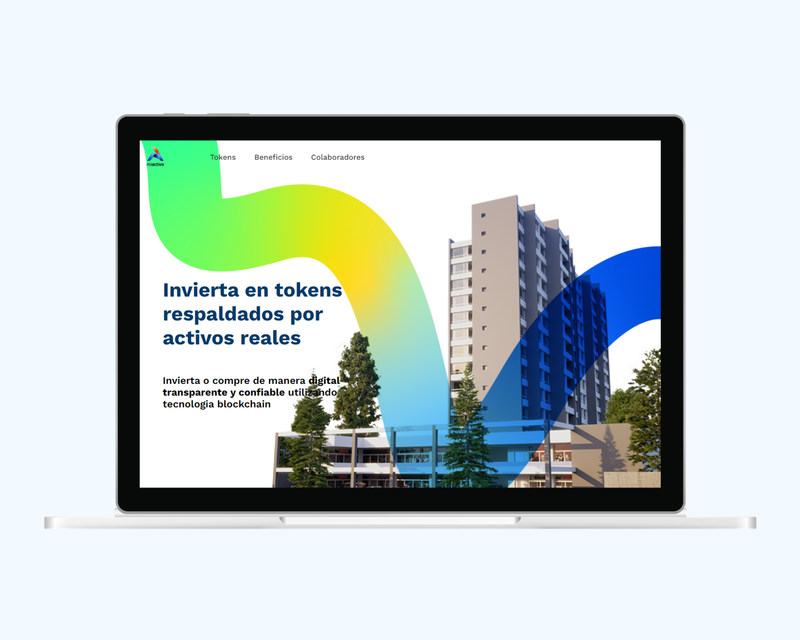
We also added token calculation and a wallet per project to MiActivo, a Madrid property platform, and our real estate tokenization page covers that work in full.
Blockchain game and NFT development
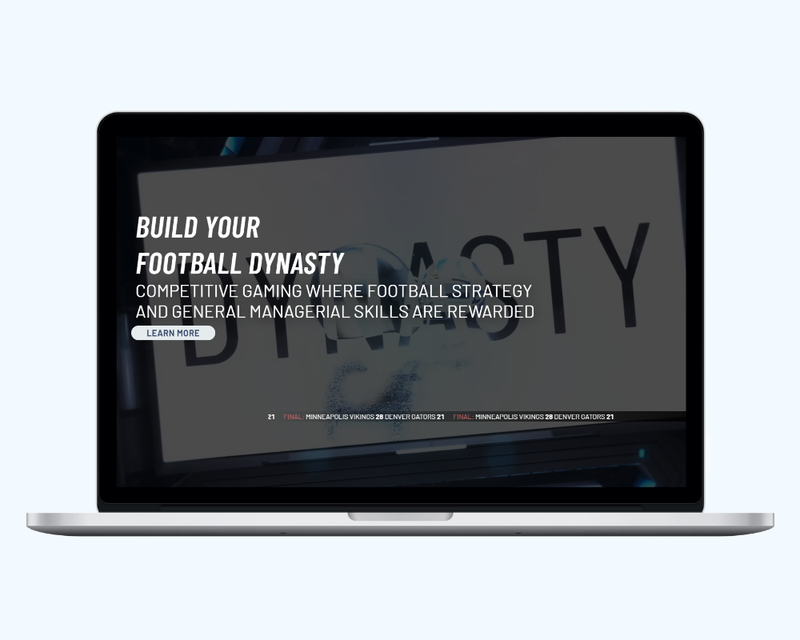
GM Dynasty is a play-to-earn football management game where players buy a franchise as an NFT. We integrated elimination tournaments, progression, leaderboards and PayPal payments, plus paid features such as winner withdrawals. The GM Dynasty platform raised $3.0M in funding.
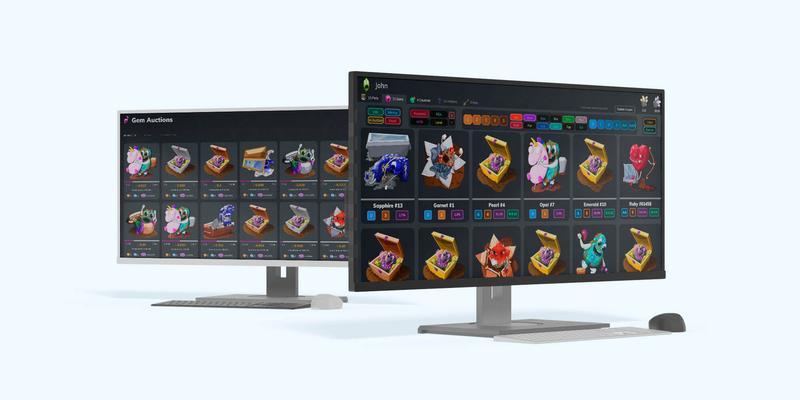
Cryptominer World is a collectible and idle game from a US studio. We built its web app and the blockchain protocol behind loot drops, NFT auctions and lotteries. Our work ran from requirements to maintenance, and the game launched on the market.
For Blocksport we also upgraded the NFT game rewards with automated claiming and deployed BSPT NFT smart contracts on Whitechain.
What to check before a smart contract goes to mainnet
Mainnet is the live network where transactions move real money, so check four things first, in this order.
- Whether the product needs a blockchain at all, or a database would do.
- What the contract lets each account do, above all minting and withdrawals.
- Where the private keys live, and whether one account controls the contract alone.
- What testnet runs and an audit found, and what was fixed.
Our guide on checking an AI-built web3 app before mainnet walks through each step and ends with a sheet to fill in.
How we work with blockchain teams
Where a case lists its team, it was two or three people. Swipelux had a backend developer, a blockchain developer and a Delivery Manager, and FODL an Angular developer and a blockchain developer.
- We bill by the hour or, for a project, at a fixed price, and give a free estimate for project work.
- We sign an NDA.
- Rights to the code pass to you after payment.
- Working hours overlap fully with Europe; with the US it depends on the state.
- You can start small, with consultations.
- If a team member has to change, we replace them without a gap in the work.
To hire blockchain developers who join your own team, choose a dedicated team. For a defined scope with one agreed result, project-based development fits better.
Planning a product in Blockchain? Tell us about it and get a free estimate.
Services behind these projects
Frequently asked questions about blockchain development
How much does blockchain development cost?
It depends on the scope, the networks and how much of the product already exists. We bill by the hour or at a fixed price, and for project work we give a free estimate before anything is agreed. On the get started page you choose between a project, a team or a consultation.
Which blockchains have you worked with?
The cases on this page name Ethereum and Polygon (FODL), and Binance Smart Chain and Whitechain (Blocksport). On the trading side, the Swipelux microservice swaps cryptocurrencies through Uniswap and 0x, and the Gainium bots trade on exchanges including Binance and KuCoin.
What does a web3 development company build besides smart contracts?
The app people use and the services behind it. Dapp development means building the decentralized app that people use to work with the contracts. For Cryptominer World we built the web app and the blockchain protocol together. On FODL, an Angular developer and a blockchain developer covered the frontend, charts, bots and smart contracts.
Can you work on a blockchain product that already exists?
Yes. On FODL we improved the Stop Loss/Take Profit and anti-liquidation bots the platform already had and took on ongoing smart contract development. On Gainium we refactored the existing code into microservices. Our notes on moving a project's blockchain from Ethermint to Evmos show the same kind of work on the chain itself.
Can we start small?
Yes, with consultations, and you decide on a team or a project later. Once a project starts, a first version can come quickly. For Swipelux, a proof of concept of the swap microservice was ready within weeks, and we hardened it for production over the following month.
Who owns the smart contract code?
You do, once the work is paid for. Rights to the code pass to the client after payment, including the contracts, the backend and the app code we write. We sign an NDA too, so your token design and business logic stay between us.
Have a project in this industry?
Tell us about your product and we will suggest the right team and approach.
Get in Touch